%2Ffit-in%2F250x250%2Fguide_websites%2F5321%2Fimages%2F1724956867181misty.jpg&w=1920&q=100)
Flathead Grey Mullet Caught on Fishing Charter in Citrus County
Flathead Grey Mullet Fishing in Citrus County - What to Expect
%2F%2Fusers%2Fe053ceb8-0aaf-4417-844f-0b0cd2b7992f%2Fimages%2Fcitrus-county-flathead-grey-mullet-2676.jpg&w=1920&q=75)
Fishing Charter by Captain Misty Kelly in June
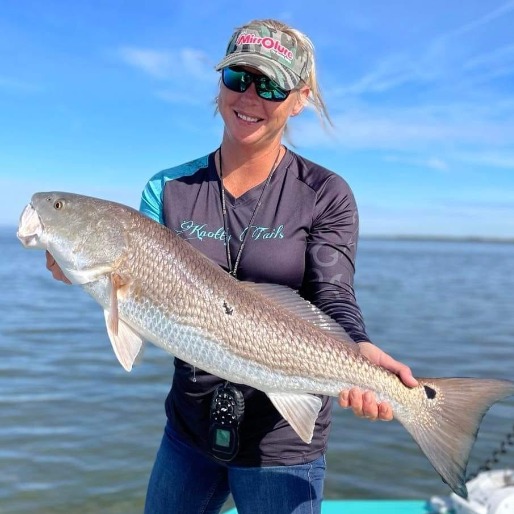
Meet your Captain Misty Kelly
- Best Fishing And Scalloping in Crystal River


Summary
Join Captain Misty Kelly aboard Windy Day II Fishing Charters on Thursday, June for an unforgettable fishing charter in Citrus County. This guided fishing experience targets flathead grey mullet and other species in the pristine waters surrounding Crystal River, offering anglers an authentic taste of Florida's premier fishing grounds.
Fishing Charter with Captain Misty Kelly - Rates & Booking
Captain Misty Kelly of Windy Day II Fishing Charters on Thursday, June delivers an authentic Florida fishing experience in the heart of Citrus County. When you step aboard for your fishing charter, you're stepping into waters that have shaped Florida's fishing legacy. Captain Kelly brings years of local expertise to every outing, knowing exactly where to find flathead grey mullet and what conditions bring them to strike.
This fishing charter puts you on pristine waters where the action is steady and the experience is immersive. Every detail is handled by someone who knows these waters intimately. The focus is on getting you connected with quality fish while ensuring you're comfortable and learning throughout the day. If you're serious about landing flathead grey mullet in Citrus County, this is the charter that delivers.
Ready to book your Citrus County fishing adventure? Contact Windy Day II Fishing Charters to reserve your spot with Captain Misty Kelly. These charters fill up quickly during peak season, so secure your date today and prepare for a day you won't forget.
Highlights of Your Fishing Charter
Flathead grey mullet are one of Citrus County's most prized catches, and this charter specializes in pursuing them in their natural habitat. These powerful fish offer exciting action and memorable fights that keep anglers coming back. The waters around Crystal River provide ideal conditions for targeting mullet, with shallow flats and deeper channels that hold concentrations of fish throughout the season.
What makes this experience special is the combination of expert guidance and pristine natural surroundings. You'll fish waters that feel untouched, surrounded by Florida's natural beauty while pursuing fish that demand skill and precision to land. Captain Kelly reads the water like a book, adjusting tactics based on conditions, tides, and what the fish are doing moment to moment.
Local Species Insights: Flathead Grey Mullet
Flathead grey mullet are remarkable fish that inhabit Citrus County's coastal systems, and they've become legendary among serious anglers. These bottom feeders cruise shallow flats and channels, often in visual range where you can actually see them working. They're built for power and endurance, capable of explosive runs that test your gear and your patience.
In the Citrus County area, flathead grey mullet thrive in the clear, shallow waters around Crystal River where seagrass beds and sandy flats provide perfect hunting grounds. They're most active during specific tide windows when baitfish concentrations bring them into striking zones. The fish respond to carefully presented live baits and require a delicate approach - too much commotion and they spook, but position your offering correctly and you're in for serious action.
These mullet can reach impressive sizes in these waters, with twenty-plus pounders not uncommon for experienced anglers. They're strong, intelligent fish that remember pressure and adjust their behavior accordingly. That's why having a guide who understands their patterns, feeding preferences, and seasonal movements makes all the difference. Captain Kelly's knowledge of flathead grey mullet behavior transforms your fishing charter from a casual outing into a focused pursuit of one of Florida's most challenging and rewarding species.
The experience of targeting mullet in Citrus County engages all your senses. You're reading the water, watching for subtle signs of feeding fish, feeling the take, and then holding on as these powerful fish make their runs toward deeper water. The thrill is compounded by the pristine natural setting where mangroves frame the horizon and wading birds share the flats. This is fishing that demands attention and rewards it with genuine excitement.
Plan Your Fishing Charter Day
Your day on the water with Windy Day II Fishing Charters is structured around peak fishing conditions and the natural rhythms of Citrus County. Captain Kelly will time your charter to coincide with tides and light conditions that favor flathead grey mullet activity. You'll fish during windows when these fish are most aggressive and responsive to baits.
The charter accommodates small groups, allowing for personalized attention and flexible fishing tactics. Everyone gets quality time at productive spots and guidance on technique specific to targeting mullet in these waters. Whether you're an experienced angler or relatively new to the sport, the focus is on maximizing your chances while you enjoy the natural beauty surrounding you.
Comfort and safety are priorities throughout your day. You'll have access to everything needed for a full day on the water, and Captain Kelly's setup ensures you can focus entirely on fishing rather than logistics. Bring sunscreen, stay hydrated, and be prepared for an active day that combines physical engagement with genuine connection to Florida's fishing heritage.
Fishing in Crystal River: Flathead Grey Mullet

Flathead Grey Mullet Overview
The Flathead Grey Mullet (Mugil cephalus) is a remarkable cosmopolitan fish species belonging to the family Mugilidae and order Mugiliformes. These hardy, silvery-sided gamefish are instantly recognizable by their broad, flattened heads, horizontal striping patterns, and olive-brown backs that blend beautifully into temperate and tropical waters worldwide. What makes this species particularly fascinating is its incredible adaptability—it thrives in saltwater, brackish, and even freshwater environments, making it one of the most versatile and important food fish globally. If you're exploring fishing opportunities in California or any coastal region, chances are you'll encounter this abundant and spirited fighter.
The flathead grey mullet has captured the hearts of anglers and chefs alike for generations. Known for their strong fight, schooling behavior, and excellent table quality, they represent an outstanding opportunity for both recreational and subsistence fishers. Their roe, or bottarga, is considered a delicacy in Mediterranean, Asian, and Middle Eastern cuisines, commanding premium prices in markets from Greece to Japan.
Flathead Grey Mullet Habitat and Distribution
This species is truly a world traveler. The flathead grey mullet can be found throughout tropical, subtropical, and temperate waters across the globe. In the western Pacific, they range from Japan to Australia; in the eastern Pacific, they're distributed from California all the way down to Chile. You'll also find them throughout the western Atlantic, Indian Ocean, and eastern Atlantic, including the Mediterranean and Black Seas. Their presence spans harbors, estuaries, lagoons, rivers, and lakes—they're equally comfortable in coastal shallows as they are in landlocked freshwater systems.
In North America, these fish have established populations in freshwater systems ranging from the Colorado River to the Gala River in the southwestern United States, where they are particularly abundant in canal systems. However, their population in Arizona has unfortunately declined in recent years due to habitat changes and environmental pressures. These mullet prefer shallow waters over muddy or sandy substrates, typically at depths around 10 meters, where they can feed steadily in schools and rest during cooler periods.
Flathead Grey Mullet Size and Weight
Most flathead grey mullet caught by anglers average around 20 inches in length, though they can grow substantially larger under ideal conditions. Maximum sizes typically reach 47 inches, with weights up to 18 pounds reported in well-established populations. What's particularly interesting is that female flathead grey mullet tend to grow slightly larger than males as they mature, and some individuals have been documented living to 16 years of age in the wild. This longevity contributes to their stable populations across most regions.
The average catch size makes them an exciting yet manageable target for anglers of varying skill levels. Their relatively substantial mass, combined with their strong fighting ability and schooling nature, makes landing a decent-sized individual a rewarding experience that keeps anglers returning to the water.
Flathead Grey Mullet Diet and Behavior
Flathead grey mullet are opportunistic feeders with a diet that shifts dramatically throughout their life stages. Juveniles begin by consuming zooplankton and small aquatic organisms, but as they mature, they transition to a bottom-feeding lifestyle. Adults gather in schools and feed on aquatic vegetation, detritus, and dead plant matter found along the water column's floor. They also consume various invertebrates including crustaceans, worms, and small organic particles suspended in the water.
One of the most distinctive behaviors of this species is their tendency to leap spectacularly from the water. They do this both as an escape mechanism when threatened by predators like pelicans and larger fish, and to clear their gills of parasites and debris. This behavior makes them exciting to observe and even more thrilling to hook. Their schooling nature provides safety in numbers against marine predators, including seals and larger gamefish. This social structure is so strong that successful anglers often focus on locating schools rather than individual fish.
Flathead Grey Mullet Spawning and Seasonal Activity
The flathead grey mullet exhibits fascinating migratory behavior tied to their reproductive cycle. While they are highly tolerant of varied salinity levels and can thrive in brackish and even stagnant waters as adults, they maintain a strong instinct to return to the sea for spawning. This anadromous tendency means that seasonal activity peaks around migration periods, particularly in spring and early summer when populations begin moving toward coastal spawning grounds.
For anglers, the best fishing periods are summer and autumn, when these fish are most active in feeding and schooling behaviors. They can technically be caught year-round given their abundance, but the warmer months offer the most consistent and exciting fishing opportunities. Understanding this seasonal rhythm helps anglers time their trips for maximum success and enjoyment.
Flathead Grey Mullet Techniques for Observation and Capture
Bread and Calm Water Method: One of the most accessible techniques for catching flathead grey mullet is deceptively simple yet highly effective. Throw small pieces of bread into calm waters or areas with visible debris, then wait patiently for the fish to respond. This method works exceptionally well in harbors, estuaries, and river mouths where mullet school in predictable locations. The key is patience—these fish are notoriously wary of anglers, so avoid sudden movements and loud noises. Watch carefully for feeding activity before casting your line.
Sabiki Rig and Light Tackle: For more active angling, deploy a six-hook sabiki rig with size 4-8 hooks tipped with small shrimp and housed in a blue bait basket. This setup mimics natural forage and allows you to potentially hook multiple fish simultaneously when schools are feeding. Alternatively, use hardlines or rods with float rigs appropriate for the target size. Since flathead grey mullet are strong fighters, ensure your tackle is rated for their weight and fighting power. Bait options include bread, marine worms, fish guts, or fresh crustaceans.
Fly Fishing for Active Schools: For a more sporting challenge, try fly fishing with tiny patterns similar to those used for bonefish. This technique works particularly well in clear, shallow water where schools are visible. Cast ahead of moving fish and use small, subtle strips to entice strikes. Around California coastal areas and river deltas, fly anglers have discovered excellent opportunities targeting mullet in areas where fresh and saltwater meet.
Flathead Grey Mullet Culinary and Utilization Notes
The flathead grey mullet holds exceptional culinary value and is considered one of the most important food fish worldwide. The flesh is white, firm, and mild-flavored, making it versatile for numerous preparation methods including grilling, baking, and pan-frying. In Mediterranean cuisine, whole mullet is traditionally grilled with herbs and lemon, while Asian preparations often feature steaming and delicate sauces.
However, the real prize for many culinary enthusiasts is the roe. Salted and dried mullet roe—known as bottarga in Italian, avgotaraho in Greek, or karasumi in Japanese—commands premium prices in upscale markets and restaurants worldwide. This ancient delicacy, with its intense umami flavor and firm, pliable texture, represents the pinnacle of fish egg products in many culinary traditions. South Korea and Venezuela report the largest commercial catches of this species, supplying global markets with fresh and processed products that satisfy consistent international demand.
Flathead Grey Mullet Frequently Asked Questions
Q: What is the best bait for catching flathead grey mullet?
A: Bread pieces are surprisingly effective and accessible for beginners, while small shrimp on sabiki rigs produce excellent results for experienced anglers. Marine worms, fish guts, and fresh crustaceans also work well. The key is presenting bait in areas where mullet schools are actively feeding, typically in calm, debris-rich water.
Q: Where can I find flathead grey mullet near major coastal cities?
A: These fish are distributed globally in suitable habitats. In California, look for them in coastal harbors, estuaries, and river deltas where fresh and saltwater mix. They're equally abundant in Mediterranean ports, Asian coastlines, and throughout the Atlantic seaboard. Any area with shallow, muddy bottoms and moderate salinity is a potential hotspot.
Q: Is flathead grey mullet good to eat?
A: Absolutely—they're considered excellent food fish with mild, flaky white flesh that accepts a wide range of flavor profiles. For those seeking the ultimate experience, the roe (bottarga) is a highly prized delicacy in Greek, Italian, Japanese, Korean, and Turkish cuisines, known for its rich, briny, umami-forward taste.
Q: When is the best time to catch flathead grey mullet?
A: Summer and autumn offer peak fishing opportunities, though these abundant fish can be caught year-round in most climates. Seasonal activity intensifies as water temperatures warm and schools gather before spawning migrations in spring and early summer.
Q: Why do flathead grey mullet leap out of the water?
A: They leap both as an escape response when threatened by predators and to clear their gills of parasites and debris. This spectacular behavior is one of the reasons observing and fishing for mullet is so exciting—you never know when you'll witness an impressive aerial display.
Q: How can I distinguish a flathead grey mullet from a white mullet?
A: Examine the dorsal and anal fins carefully. Flathead grey mullet lack scales extending toward these fins, while white mullet have them. Additionally, count the anal fin rays—flathead grey mullet have nine, while white mullet have only eight. The flathead variety also tends to have a broader, more flattened head profile.